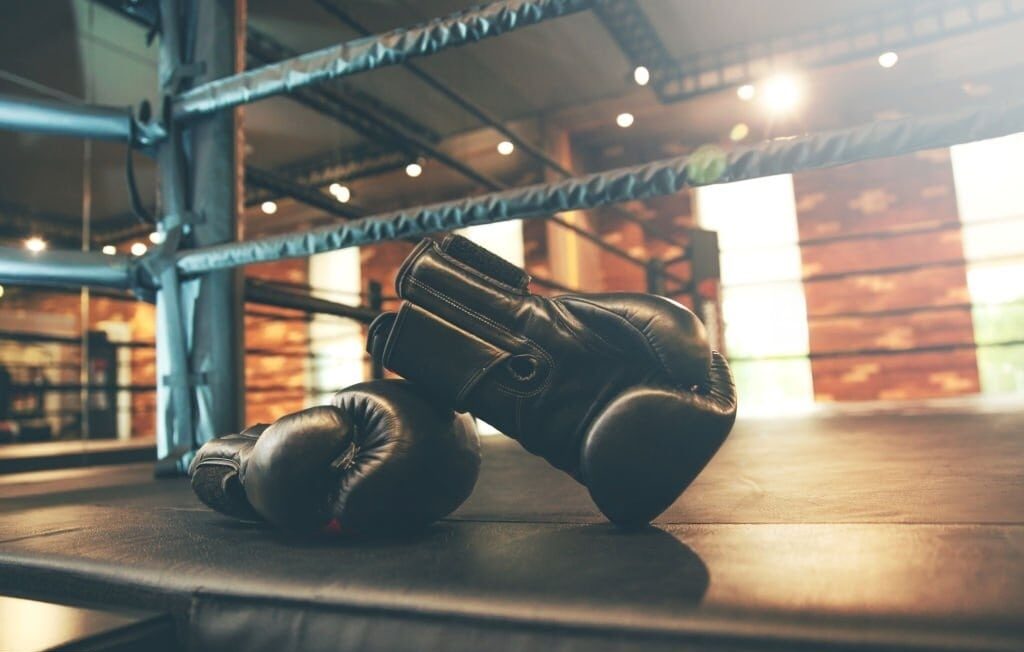
Finding the right pair of boxing gloves is the first and most important thing you need to accomplish, regardless of whether you engage in boxing as a leisure activity or whether it serves as a form of exercise.
Your initial purchase of boxing equipment should be a pair of boxing gloves, especially if you are beginning your boxing career. Boxing gloves are an essential piece of boxing gear.
Since selecting boxing gloves is one of the most important components, you should take your time and think carefully about everything because it is one of the most important aspects of boxing.
When buying boxing gloves, one of the most important qualities to look for is durability, especially if you are starting. Because gloves are an accessory, you must wear them while exercising, and you will want to avoid purchasing anything that does not last for a long time.
Therefore, purchasing something durable should be your priority. When you find something long-lasting, the next step is determining whether it is within your financial means.
According to the research for all of you novices out there on boxing gloves and the types of boxing gloves, you can quickly limit your options to pick which one matches your needs the best and what to look for in a pair of gloves before purchasing one, this article is for you.
Why Do You Need Gloves For Training?
If your objective is to improve your health and fitness, you might be questioning why it is necessary to use boxing gloves.
However, even if your goals and objectives are not required for general training, you can only tell where they will lead you if you write them down.
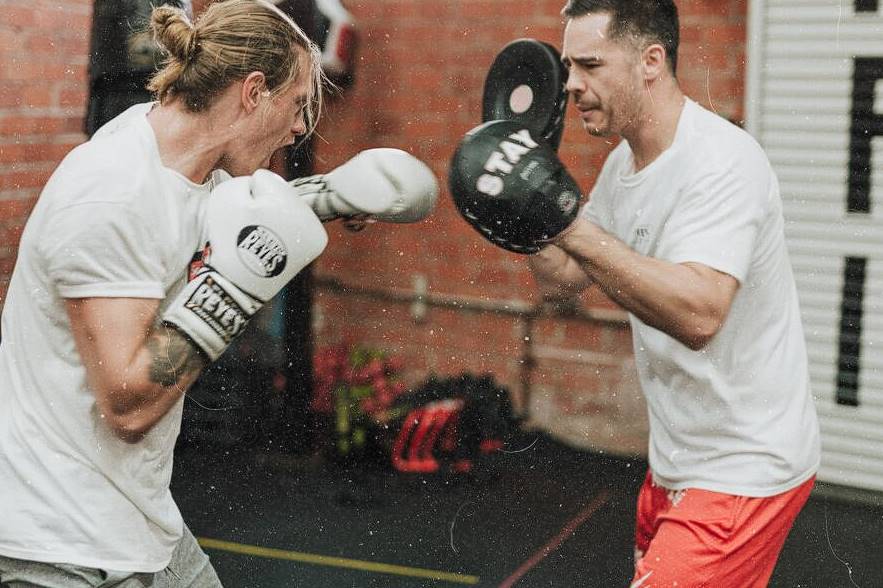
You may begin your workout routine one day with high-intensity cardio, but the next day you might switch things up and do some mitt work or bag work instead.
As you get stronger, your workouts will become more strenuous; wearing gloves throughout these sessions will help protect you from harm.
Even if the only person you intend to compete against is yourself, purchasing a pair of boxing gloves will help you feel more prepared for the sport if you contemplate boxing as a form of physical activity.
What Weight Boxing Gloves Should I Get?
Gloves are available in a wide range of sizes and weights to suit your needs. The range of possible weights is from 10 to 20 ounces, and ounces serve as the unit of measurement. The quantity of padding found on the inside of the gloves is what determines the size.
Using heavier weights increases the number of layers of protection offered but often results in slower punching speeds. Strength training can also be done with heavier gloves, while you can do speed training with lighter gloves. You can do both types of training with boxing gloves.
Larger boxing gloves are recommended for beginning boxers because they offer greater protection against injury. However, boxers typically report feeling more comfortable using lighter-weight gloves as their skill level develops.
You should wear boxing gloves in such a way that they are tight enough and tight enough. When the wrist wraps are in place, the tips of the fingers should lie close to the top of the gloves.
What Size Boxing Gloves Should You Use?
Boxing gloves are available to both male and female boxers. The specific size required is determined by the individual, the size of their hands, and the purpose for which the gloves are being utilised, whether for training or a fight. The following are some guidelines for the normal sizes of gloves.
What Size Boxing Gloves Should Men Use?
- Under 100 pounds: wear gloves that are between 6 and 8 ounces.
- 100-150 pounds: use 8 to 12-ounce gloves
- 150-175 pounds: use 12 to 16-ounce gloves
- Over 175 pounds: use 16+ ounce gloves
What Size Boxing Gloves Should Women Use?
- 100-125 pounds: use 10-ounce gloves
- 125-150 pounds: use 12 oz gloves
- Over 150 pounds: use 14-ounce gloves
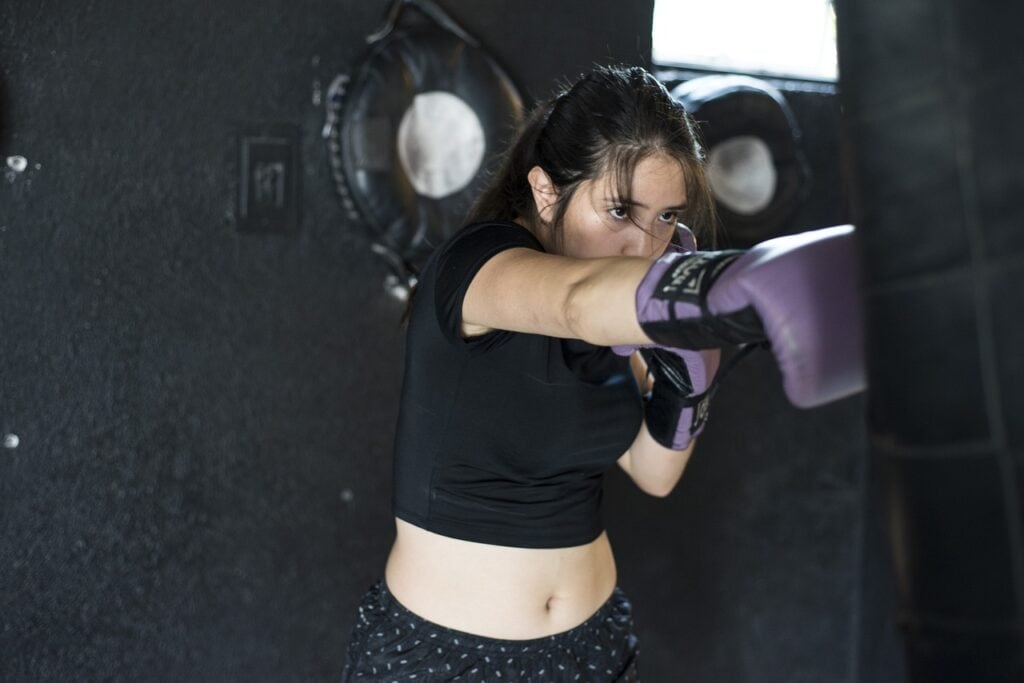
For most people, punching bag workouts are best done with gloves weighing 12 and 16 ounces. The most important things to look for when purchasing boxing gloves for children are that the padding is substantial enough to protect the knuckles completely enveloping the entire fist and does not restrict movement.
The kickboxing gloves designed for children are typically much larger than those designed for adults but are also significantly lighter. The majority will begin at roughly 6 ounces.
Although the price of boxing gloves heavily depends on the brand and quality of the gloves, the cost of other boxing equipment should be relatively inexpensive.
Which Type Of Gloves Should You Choose?
You need to go out and get old gloves and use them for your workout. However, before purchasing a new pair of gloves, consider the kind of training you do. The following are some of the most widely utilised gloves that a lot of novice boxers use:
Bag Gloves
Bag gloves contain a substantial amount of padding and provide a lot of wrist support. There are two distinct varieties of bag gloves available: traditional bag gloves and contemporary bag gloves.
However, because they need to provide sufficient cushioning and support, you should consider something other than classic bag gloves for novices.
It is the primary reason many professional boxers and boxers are just starting to prefer sophisticated bag gloves to protect their hands from injury.
Sparring Gloves
When compared to bag gloves, sparring gloves are easier to use, lighter on the hands, and feature more padding than bag gloves. They have been developed so that their primary purpose is to protect users from harm when sparring occurs.
If you are starting in boxing but are committed to the sport, then the best gloves for you are sparring gloves.
Competition Gloves
Competition gloves have significantly less padding in their interiors than other types. As a result, they are incredibly condensed, and their purpose is to cause pain.
In addition, these gloves are designed for intense combat, and as a result, they are sufficiently hazardous to cause injuries to competitors in fighting competitions.
Fighting Gloves
As opposed to other gloves, fighting gloves have thinner padding on the inside of their palms and fingers. As a result, they are incredibly condensed, and their purpose is to cause pain.
In addition, these gloves are designed for intense combat, and as a result, they are sufficiently hazardous to cause injuries to competitors in fighting competitions.
Cardio Gloves
When hitting heavy mitts and bags, cardio gloves are what you should use. They include ample cushioning inside to help absorb the force of any falls. If, on the other hand, you are starting and you want to go into boxing, you should wait to acquire these gloves since they will only last for a while.
Kick Boxing Gloves
The higher quality of modern kickboxing gloves is largely responsible for the sport's meteoric rise in popularity across the globe. Compared to other types of gloves, such as training and sparring, these gloves have greater flexibility.
How To Recognise a Good Pair Of Gloves
When there are so many variations of boxing gloves to pick from, it can take time to decide. However, even if it is a significant choice, it should be open to progress.
When it comes time to buy your first pair of boxing gloves, there are a few things you should keep in mind before making your choice.
Brand - Brand Rival, Ringside, and Title are the most popular choices regarding boxing gloves. These products won't dent your wallet and are easy to use, even for novices.
Comfort - If you buy them online, you will need help determining whether or not they are comfortable for you to wear. Read a good number of reviews, and pay attention to any feedback you get from other people who have used the gloves. You should move on to the next option if they have fewer than four stars.
Padding - The most effective boxing gloves will have sufficient padding to cushion the impact of any blow. You need to consider your objectives while you search for the optimal solution here. You don't need to worry about the amount of padding as long as you intend to avoid striking a bag or engaging in sparring.
Features To Consider When Buying Boxing Gloves
Material
Boxing gloves are typically made of one of three primary types of material:
Vinyl
Because it is the least expensive of the three materials, vinyl is the best choice for individuals looking to cut costs without sacrificing quality. Vinyl gloves are a fantastic choice if you start boxing and only wear gloves occasionally.
However, if you engage in a more professional boxing practice, you should look elsewhere for gloves. Additionally, vinyl gloves are not recommended for usage regularly because they cause the hands to become extremely perspiring and are not long-lasting.
Genuine Leather
As their name suggests, genuine leather gloves are made from original leather and are the most expensive. With real leather gloves, you get what you paid for. These gloves are the most expensive. It is because they conform to the shape of the hand with time.
Polyurethane Leather
Beginners who have been boxing for a while and wear gloves consistently are the ideal candidates for polyurethane leather gloves. The nicest thing about them is that they provide the same durability as genuine leather gloves but at a much more affordable price.
Weight and Size
The dimensions of your hands should serve as the basis for selecting the right size gloves. You can choose between small, medium, and large sizes. After determining the correct size, you may choose the proper weight.
The weight of gloves might vary depending on their use, such as when they are used for sparring, training, or other activities. The weight ranges from 12 ounces to 20 ounces. Therefore, make your selection based on the needs and requirements of your project.
Closure Kinds
When shopping for a new pair of gloves, the type of closing should be one of the top priorities on your list of questions to ask. Boxers often utilise one of two different kinds of closures for their gloves:
If you want a glove fastening that is simple to modify, your best bet is to seek gloves that have a Velcro or hook-and-loop closure. Especially if you do not train in a professional setting and train by yourself, you should get a Velcro closure instead of lace since it might be difficult to fix lace closures on your own. Therefore, velcro is the one that you need to acquire.
On the other hand, gloves that have a lace closure provide a more secure and snug fit. Additionally, they offer a really pleasant experience when worn. However, it is important to remember that if your gloves have a lace closure, you will always require assistance from another person to lace them up and then take them off again.
Hand Wraps Or Inner Gloves
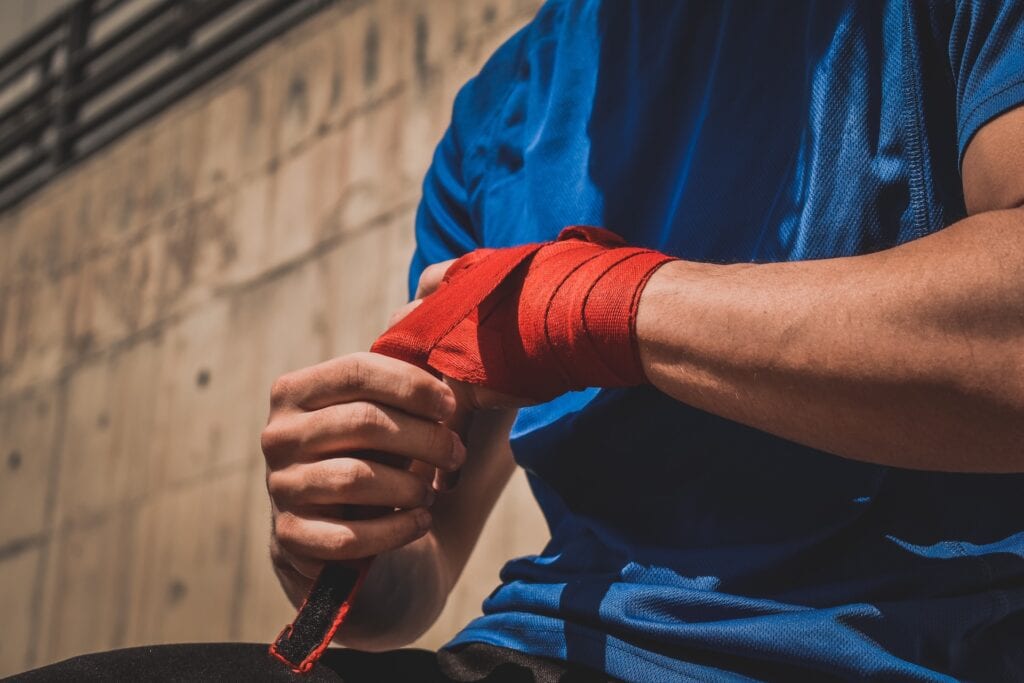
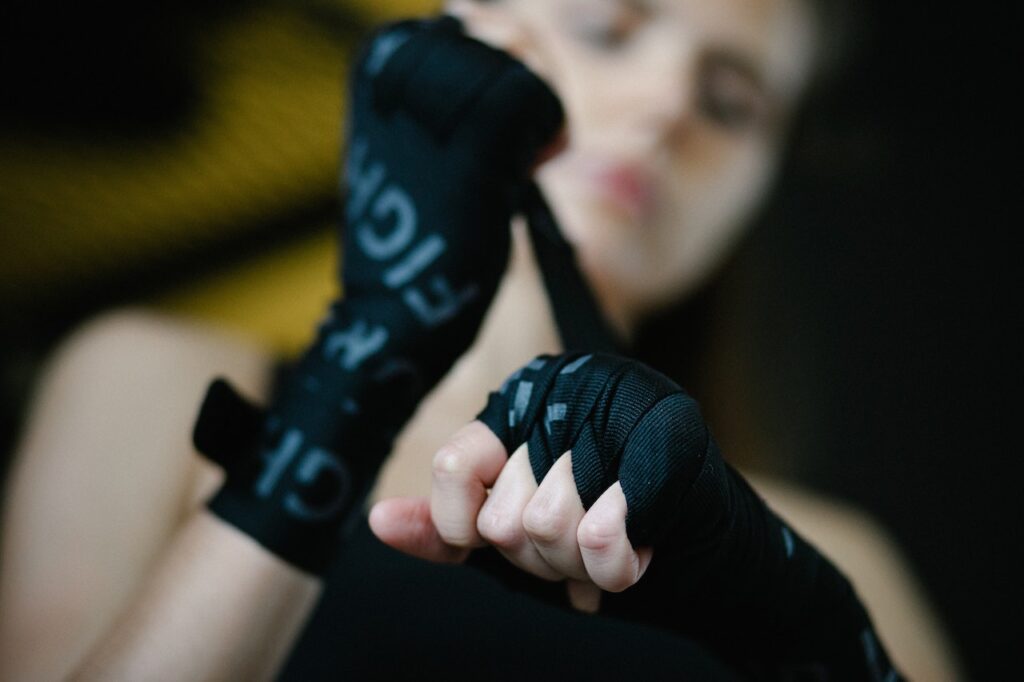
People frequently need to remember hand wraps or inner gloves when buying a new pair of gloves, although they are vital. Always choose the right size by trying it on with your hand wraps already in place before you put on your gloves.
When working out, you should always have hand wraps or inner gloves on to ensure the highest level of protection and the most comfortable fit. Make sure that the hand wrap material absorbs shock and allows you to make a tight fist with it.
Padding
When purchasing a new pair of gloves, you should consider padding equally. Open-cell or closed-cell foam is the type of padding that is utilised the vast majority of the time. However, certain pairs of boxing gloves are occasionally constructed with horsehair and cell foam.
The kind of training plays a significant role in determining the padding you should use. Depending on your training, your battle or training session could be adversely affected by the padding you use. As a result, it is essential to consider the cushioning that should be on your gloves.
What To Consider
Weight and size are always the most critical elements to consider. Next, you should try on a few different kinds of gloves (ideally in sizes 12, 14, or 16) and select the pair that fits your hands the most comfortably (make sure your hand fits in even with the hand wraps on and that you can clench your fist easily). It will take some time for the gloves to adjust, just like it did with the shoes.
Going out and getting high-priced professional gloves immediately is optional because you may not even notice the difference. Instead, we recommend that you begin with something simpler and more affordable, continue to acquire experience, and wait to go on to more advanced equipment until you have a better understanding of both your technique and the specific needs you have as an individual.
Are Boxing Gloves With Laces Or Velcro Best For Beginners?
Lacing provides a more secure fit and support for the wrist, but unfortunately, it is not as practical as other options. Because you cannot tie shoelaces by yourself, you will need to rely on your training partner to lace you up before each workout.
Boxers that compete professionally nearly always utilise the lace-up kind of boxing gloves. The reason for this is that these gloves offer greater protection.
You can fasten boxing gloves with velcro closures as securely as those with laces, and the wearer can do the process. However, it would help if you didn't bother lacing your shoes if you're a pro because the difficulty is rarely worth the advantages.
Leather Or Vinyl Boxing Gloves?
The two most frequent materials used to construct boxing gloves are vinyl and leather. As a result, your comfort level, the glove's longevity, and overall cost are all likely to be affected by the material used in the boxing glove.
Vinyl boxing gloves are typically more affordable, ranging from approximately $20 to $40. For this reason, vinyl gloves are a suitable choice for beginners regarding boxing gloves.
On the other hand, if you want to practice quite frequently, leather boxing gloves are likely to be a more suitable option for you, both in terms of comfort and durability.
Because vinyl is less absorbent than other materials, it may cause your hands to get uncomfortably warm and wet. Additionally, leather only lasts for a short time.
However, suppose you want to use your boxing gloves to participate in fitness classes or any other activity with very little actual hitting. In that case, this is still an excellent choice for you to consider.
Even though they cost more, leather boxing gloves offer many advantages over their vinyl counterparts. In addition to being long-lasting, leather boxing gloves will shape themselves to your hand over time, making them a better fit overall.
Best Glove Material: Leather vs. Vinyl
Choose vinyl as your medium of choice while you're just getting started for a few different reasons:
- Affordability
- Availability
- Absorption of Impacts
Vinyl gloves are available at a low cost from the majority of the most well-known internet merchants.
You want to put only a little thought into these little particulars while you're just starting. Your primary attention should be acclimating to the environment and the instruction provided. You will eventually have the opportunity to worry about gloves and other training equipment.
Pick Velcro Over Laces
When you go shopping for gloves, the technique of closing on them will be the next choice that you will need to make. Even though the laces are a better fit for your wrists, there is one significant factor you should consider.
One person can't lace gloves by themselves.
Velcro is the best option for those who are just starting or still need to compete professionally. In addition, you can put the gloves on and take them off yourself, which is essential for training sessions with a group.
Every time you need to remove your shoes to do something like get a drink, use the restroom or take a break, you will have to find someone to assist you in lacing them back up again.
Synthetic Or Natural Leather
Cowhide and synthetic leather are the two types of leather utilised most frequently in boxing gloves. It is a crucial consideration since the material used for the gloves will impact the user's comfort level, the product's longevity, and the price that is ultimately paid for the item.
The price of synthetic gloves, on average, falls somewhere in the range of 35 to 70 euros. Because of this, they are more frequently picked by those just starting.
On the other hand, if you intend to engage in more frequent training (and do not have any moral reservations about doing so), then natural leather is the preferable option for you to go with.
The price of genuine leather will inevitably be higher than that of imitation leather, but it will be well spent. In addition to being more resilient and long-lasting than other materials, natural leather gloves will also be a better fit for your hands.
Until recently, consumers could only choose a select few different brands. It is not the case any longer, and the selection in our store includes a huge range of models, brands, and categories to choose from. We want to offer you several different kinds of boxing gloves that are the finest option for novice boxers.
Conclusion
It may be hard to begin a new fitness program, but you must be aware that you've already done so. You have accomplished the first step toward accomplishing your fitness objectives simply by reaching this moment.
The most challenging aspect of achieving success in life is simply getting out of bed and getting started. However, finding the right pair of boxing gloves is simple, and the information in this article will answer any questions or worries you might have about the subject.
Are you still stumped? If you talk to one of the knowledgeable employees at Gloveworx, we'll get you set up with the equipment you need to be successful.
Boxing gloves are one of the most important components that go into the overall process of boxing. Your choice of gloves can affect the steadiness and efficacy of your training, regardless of whether you are an experienced boxer or just starting.
In addition, the sort of boxing gloves you use will determine the level of protection you receive. It might be challenging to track down the appropriate boxing gloves, but doing so is an essential step in getting started in boxing, particularly for novices.
Frequenly Asked Questions
What size boxing gloves should beginners choose?
When it comes to selecting the right size of boxing gloves for beginners, it's essential to consider the purpose and fit. For most beginners, 12-ounce or 14-ounce gloves are suitable for training purposes. However, if the user intends to engage in heavy bag work or sparring, 16-ounce gloves are typically recommended for added hand protection. It's essential to try different sizes and consider the comfort and snugness around the hand and wrist to ensure the proper fit.
Which type of boxing gloves is best for beginners?
For beginners, it's generally recommended to choose training gloves or bag gloves. These gloves offer adequate padding and protection for both the wearer's hands and the training partner or bag. Training gloves typically have a hook-and-loop closure system, making them easier to put on and take off. They also come in various weights and sizes, allowing beginners to find the right fit for their needs.
What should beginners look for in boxing gloves?
When beginners are selecting boxing gloves, a few factors should be considered. Firstly, the gloves should provide proper wrist support, preventing injuries and offering stability during training. Additionally, the gloves should have sufficient padding to protect the hands and reduce the impact on both the wearer and their training partner. Lastly, the gloves should fit comfortably and not restrict hand movement, allowing for proper technique execution.
Are there any specific gloves recommended for female beginners?
For female beginners in boxing, there are boxing gloves specifically designed to accommodate their hand size and shape. These gloves are often referred to as "women's boxing gloves" or "female boxing gloves." They typically have a narrower hand compartment, providing a better fit for smaller hands. It's advisable for female beginners to try on different gloves and choose the ones that offer a comfortable fit and the necessary support and padding.
Should beginners prioritize glove weight or glove material?
When choosing boxing gloves, beginners should prioritize glove weight over the material. The weight of the gloves determines the level of padding and protection provided. As a general guideline, beginners should opt for gloves with ample padding to reduce the risk of hand injuries. The material of the gloves, such as leather or synthetic materials, can vary based on personal preference, budget, and durability requirements. It's important to strike a balance between padding, comfort, and quality material to ensure a positive training experience.