
Kickboxing is a mixed martial art that incorporates punching, kicking, and footwork into its routines. Boxing and other martial arts are fused in this high-intensity workout, incorporating a wide variety of punches, kicks, and footwork into the routine.
Karate is responsible for some of the more powerful kicks, while boxing is responsible for some of the more agile punches, and all three of these fighting styles are combined in kickboxing. It can be broken down into more complicated and strategic skills.
Self-defence, overall physical conditioning, and even as a full-contact sport are common reasons why people engage in kickboxing training. In addition, it engages the entire body by stimulating all the different muscle groups, necessitates coordination, and stimulates both the aerobic and anaerobic aspects of the metabolism.
Several muscle groups are worked, including the abdominals, arms, legs, glutes, and back. Flexibility is increased, as well as muscular endurance and strength, by doing a variety of motions that are bouncy and jarring. It improves overall health, fitness, and motor skills, reducing the risk of injury by making muscles more flexible.
Kickboxing is a beautiful martial art that combines punches and kicks for a strong combination. It is an umbrella word that encompasses many distinct martial arts styles, but its primary emphasis is on standing combat rather than grappling or other ground-based techniques.
There are several variations of kickboxing, and each kind has its own set of rules. For instance, in American kickboxing, the hands and feet are used to make contact with the opponent, whereas, in Muay Thai, the elbows and knees can also be used as contact points.
The footwork, kicking, and punching methods used in noncontact kickboxing and cardio kickboxing are the same as those used in other forms of kickboxing; however, rather than directing your punches and kicks towards a training partner, you practice these tactics on hand pads and weight bags.
Everyone, regardless of age or gender, may stand to gain from kickboxing.
What are the Main Pros and Cons of Kickboxing
The Pros of Kickboxing
1. Reduced Stress Levels
At other times, we must find a way to vent our rage through physical activity. If you don't find a healthy outlet for your anger, it can fester and turn into poison, so why not try something new, like kickboxing?
Endorphins, chemicals that make you feel good about yourself, are released due to this activity. As a result, your stress levels will automatically reduce when you feel good about yourself.
2. Boosts Confidence and Self-esteem
Kickboxing training increases self-confidence and fosters a more upbeat and optimistic view of life. Because gaining confidence is such an important component of kickboxing, teachers emphasise the subject with their students.
3. Weight Loss
If you want to be in shape and shed some pounds, kickboxing may be the activity that best suits your needs. In addition to helping people burn calories during aerobic activity, which it does, it also assists those who have more muscle mass than their bodies normally do contain. As a result, kickboxers also have lower body fat percentages than the general population.
The number of calories you burn during a kickboxing workout is largely determined by the intensity level and length of the class you attend. For instance, a person weighing 135 pounds will burn between 350 and 450 calories in fifty minutes of kickboxing while curling with an estimated one hundred fifty pounds of weight at body weight. The precise quantity will also change depending on whether or not the punches are delivered to a punching bag.
4. Increased Coordination
Your ability to coordinate your movements will be tested to the limit when you take a kickboxing class because you will learn some amazing maneuvers. For example, you could stand on one leg as you kick the other up, swing a hook across your body, or shuffle side-to-side while punching an imagined speed bag. All of these things will help enhance your flexibility and balance.
5. Better Sleep
Kickboxing is the ideal activity for rejuvenating the mind and the body after a long day. In addition, participating in regular physical activity, like kickboxing exercises, might help you fall asleep more quickly and have a higher quality of sleep over time.
Insufficient sleep has increased the risk of several ailments, including cancer, heart disease, and mood swings. On the other hand, getting sufficient sleep benefits one's physical health, leading to higher energy levels and improvements in one's cognitive capacities. It could involve thinking, which is necessary today when everything moves at such a breakneck speed.
6. Ameliorates Mental Health
When done regularly, kickboxing can help make you feel better no matter how horrible you feel. Kickboxing activities are connected to increased mental health and pleasant feelings because they generate endorphins that produce brain changes that allow for stress reduction or even remission of symptoms associated with depression and anxiety disorders.
7. Better Posture
Kickboxing is an excellent kind of exercise for everybody, not just people who spend their days sedentary. It’s also a terrific technique to tone and build your abdomen, typically neglected during standard workouts because you require stability to execute each move precisely.
Your abdominal wall is targeted since it is responsible for supporting your balance and ensuring that each action is performed carefully and accurately, ultimately improving posture.
8. Energy Boost
Kickboxing is an amazing high-energy aerobic program that will boost your body and mind as you breathe while sweating away toxins. Kickboxing requires you to punch, kick, and punch some more. After working up a sweat to prove that it was all worth it, this is the ideal approach to get back on track and continue your day. Your body's overall energy level will increase due to this procedure.
9. Perfect Cross-Training Workout
Kickboxing is a great exercise for anyone who wants to break out of their training rut and try something new. If you want more resistance, you can increase your weight by wearing wrist or ankle bands and lightweight gloves.
Even if a person only attends two sessions each week, they will gain the fresh inspiration necessary to break out of the monotonous exercise routine they may be falling into without fail every time.
The Cons of Kickboxing
Workouts involving kickboxing might be fun, but they also come with inherent dangers. Participants have a responsibility to exercise caution since there is a non-negligible risk of injury, which could result from a wide variety of factors, including the following:
- The utilisation of incorrect form
- An excessive amount of either speed or intensity
- Kickboxing class music that is too fast (above 140 beats per minute)
- The frequency of exercise considered significant can be greater than four times per week
Kickboxing is a fantastic exercise, but it may not be easy and have a steep learning curve for certain people, particularly those who prefer to be self-driven throughout their exercises.
You won't be able to work out on your terms like you can with other forms of exercise because the courses are more organised and have instructors who guide those around them. For instance, jogging or biking gives you more freedom to accomplish whatever you want, giving you greater independence during training sessions.
Advantages And Disadvantages Of Kickboxing Which You Should Be Aware Of Before Joining The Sport
What is the difference between kickboxing and boxing?
Boxing, an altogether different kind of combat sport than kickboxing, is another type of sport frequently confused with kickboxing.
The upper body of the boxer is required to have a high level of conditioning to compete successfully in boxing. Therefore, the blows are only meant to land on certain parts of the opponent's body, specifically the face, chest, and stomach.
On the other hand, in the sport known as kickboxing, not only are the adversary's face and body subjected to fist punches, but also, as the sport's name suggests, the participants are permitted to use kicks to win the match. In addition to hand punches, knees and elbows will also be thrown.

What is the difference between kickboxing and other forms of martial arts?
The fact that kickboxing involves the use of kicks, in addition to the fact that there are no predetermined regulations for kickboxing matches like there are in other forms of martial arts such as karate and taekwondo, makes kickboxing an inherently riskier sport for participants to engage in.
Other forms of martial arts, such as karate and taekwondo, have such regulations. In addition, it is predicated on the freestyle approach that each participant in the game brings to the table. Therefore, it significantly raised the stakes of the game, which were already quite high.
In addition to that, one of the types of physical activity that is participated in is kickboxing. It is generally done at gyms since it is great for working out the entire body with only one action, and it is typically done because it is typically done at gyms. In addition, it has been demonstrated to be quite effective for lowering body fat while simultaneously increasing the amount of muscle mass in the body.
Advantages of kickboxing (PROS)
1. Considered great for your cardiovascular health
It is generally agreed that learning kickboxing is beneficial to your cardiovascular health. However, if you want to increase your maximum oxygen uptake, kickboxing for at least an hour each day is the way to go (VO2MAX).
This rate is used as a measurement of a person's aerobic capacity. VO2MAX is the maximum or ideal pace at which the heart, lungs, and muscles can properly utilise oxygen when exercising. Therefore, elevating this measurement will improve your body's capacity to take in and effectively use a greater amount of oxygen. As a consequence of this, it contributes to the provision of defence against particular cardiovascular disorders.
2. Reduces stress
Kickboxing is associated with the release of endorphins, which contributes to a positive mood. Consequently, if you want to alleviate stress and melancholy, kickboxing is an excellent activity to engage in after you finish your everyday work. Additionally, kickboxing is recommended to people who struggle to control their anger because it is proven to be an effective method for doing so.
3. It May help you with weight loss
A healthy diet and consistent exercise routines are the centres of successful weight loss plans. A workout of moderate intensity is considered to be kickboxing. Therefore, if you engage in kickboxing regularly, it will benefit you in losing weight. Because it is an aerobic activity, kickboxing also assists in the burning of calories in the body. As stated by UFC GYM, a kickboxing workout lasting fifty minutes will help you burn between 400 and 600 calories.
4. Boosts your confidence
Numerous interviews with individuals claim that participating in activities such as kickboxing has actually assisted them in increasing their general levels of self-confidence and esteem. Due to their past circumstances, they lacked self-assurance and had a very low opinion of themselves.
Now, however, they are working to improve these qualities. However, once they started taking kickboxing courses, they began to experience a sense of inner strength, which assisted them in developing the necessary level of confidence.
5. Helps in good sleep
Exercising and working out is one of the best strategies to improve sleep quality each night. The intense physical activity of kickboxing leaves you feeling quite tired, making it easier for you to get a good night's rest.
A night in which you can sleep soundly is, in point of fact, quite crucial for your general health. Suppose you have insomnia or have other difficulties falling or staying asleep. In that case, consider taking up a sport like kickboxing, which can improve your ability to fall and stay asleep.
6. Boosts your overall energy
Kickboxing is an incredible high-energy aerobic workout that will lift your body and mind as you breathe hard and sweat away toxins. Kickboxing is a great technique to get rid of toxins as well as give your body a boost. Kickboxing needs its participants to punch, kick, and then punch again.
It is the best strategy for getting back on track and carrying on with the rest of your day after you have worked up a sweat to demonstrate that it was all worth it. The completion of this method will, in its totality, have the effect of raising the total amount of energy that is stored in your body.
7. Improves your posture
You'll start to build up your core strength as a result of workouts incorporating kickboxing because these workouts stress a wide variety of muscle groups that don't get enough attention during the day. If you spend most of your day hunched over a computer, you will benefit from this.
Because they demand you to activate your waist and abs to keep your balance and accomplish each perfectly choreographed motion, kickboxing routines are fantastic for targeting the core muscles in and around your abdominal wall.
8. Improves coordination and balance
In a kickboxing class, you will be taught some incredible moves, which means that your ability to coordinate your movements will be tested. For example, standing on one leg while kicking the other leg into the air, shuffling side to side while punching an imaginary speed bag, or swinging a hook across your torso. These are a few examples of the choices open to you. So naturally, your flexibility and equilibrium will improve due to doing all these things.
However, despite these positive aspects of kickboxing, there are several ways in which the activity can be detrimental to a person's health, particularly if they engage in it regularly.
Disadvantages Of Kickboxing (CONS)
1. High-intensity workout
The high difficulty required to participate in kickboxing is just one of the sport's many flaws.
Kickboxing is a high-intensity activity that, although helpful for certain participants, can potentially be extremely damaging to other people's health. If it is not carried out appropriately and the appropriate instructors are not used.
People who already have heart conditions should avoid using it because it causes a significant increase in their heart rate in a very short amount of time. It is something that these individuals should avoid doing because it is not safe for them to do and is not something that should be encouraged.
It can raise your heart rate to approximately 70% higher than your normal heart rate, which can result in various unfavourable aftereffects, including the risk of having a heart attack and the possibility of experiencing heartache. It is also possible to lower your blood pressure to around 70% lower than it would normally be.

2. Injuries
The martial art of kickboxing is defined by a great number of hand and leg movements that are rapid and are completed with a significant amount of force. A high level of physical intensity also characterises kickboxing. Both the muscles and the bones might become injured as a result of this. Muscle strain is also possible.
Doing something that you are not used to doing can be even more dangerous, especially if it is something that you are not used to doing. Our bodies are not meant for really quick and strong motions, and it can be even more harmful to do something you are not used to.
As a consequence of this, practising kickboxing needs to be done cautiously and consistently while being supervised by an experienced professional. If it is carried out without the right supervision, it will cause more problems than solved. In addition, the physical strength required for it could have major adverse effects on the body of the individual doing it.
Research published in The British Journal of Sports Medicine found that 90.4% of people who engage in kickboxing have suffered at least one and frequently numerous physical injuries due to exercise. The calf and lower leg appear to be the most common sites for these wounds, accounting for most of them. In addition, because of the intense impact involved in the activity, there is a larger possibility that kickboxing will result in broken bones.
3. Requires Quick Reflexes
If you practice kickboxing, your general reflexes will increase more than an average person's, but if you want to become an expert in this sport, you will still need certain inborn reflexes. It is because kickboxing is a sport that requires a certain level of inborn reflexes. For example, when competing, you need quick reflexes to defend yourself against the other opponent. If you do not have enough of it, you risk losing the match and getting hurt as a result. As a result of this aspect of kickboxing, only some can participate in it as a hobby.
4. Requires the Services of a Qualified Professional
There is no way for an individual to self-teach kickboxing as a sport; it cannot be done. Because of the high level of competition inherent in most sports, teaching yourself how to play the game on your own can be risky and filled with potential dangers.
It is always to your benefit to learn a certain activity or fitness program under the instruction of an experienced professional who has been doing it for a long time. It makes it much simpler to learn how to play the sport correctly, enhancing the overall experience.
Employing and working with a professional would require a larger amount of money to cover their fees, which would once again restrict the number of people who could participate in the sport. In addition, the fact that participants are expected to have the right clothes and other safety equipment will increase the overall cost of getting started in the sport.
KickBoxing: Advantages and Precautionary Measures
Health Benefits of Kickboxing
Everyone can improve their health by participating in kickboxing regardless of age or fitness level. The following is a list of some of the benefits of participating in kickboxing:
Improves Cardiovascular Health
Kickboxing is a form of aerobic workout that raises the heart rate and improves the condition of the cardiovascular system. The beneficial effect on cardiovascular health improves heart and lung functioning, ultimately improving cardiorespiratory and cardiovascular fitness. Additionally, it raises the amount of energy that is produced by the body and keeps one active throughout the day.
Improves Body Coordination and Endurance
It is possible to get in shape by participating in group kickboxing. It demonstrates a tremendous progression in gait speed, balance, and self-assurance.
According to one piece of research, participating in kickboxing can increase physical characteristics such as fitness, power, flexibility, and agility. In addition, there was a notable increase in the power of the muscles in the upper body and in aerobic power, anaerobic fitness, flexibility, speed, and sharpness. For example, when males in their twenties were put through a training program consisting of three weekly sessions for five weeks, the results showed a 7% increase in both their upper and lower body power.
Weight Loss
A study was conducted to determine whether or not women who participated in non-contact cardio kickboxing experienced improvements in their cardiovascular fitness, weight loss, and fat reduction. To maintain a healthy weight and reduce body fat, you need to exercise at least three times per week for an amount of time and intensity that causes you to burn between 250 and 300 kilocalories (kcal) during each workout session.
Women can successfully lose fat by performing non-contact kickboxing for thirty minutes at least four times per week. It burns enough calories to get the desired consequence of successful fat loss. Kickboxing with a cardio component is an excellent form of exercise that can improve cardiorespiratory endurance and bring about changes in body composition.
Improves Mental Health
Endorphins are chemicals that help regulate mood and boost sensations of happiness. They are released in the body when people engage in physical activity. Kickboxing training reduces stress, anxiety, sadness, and ADHD symptoms. It boosts self-confidence, motivation, and mental toughness and encourages optimistic thought. Additionally, it enhances the brain's functioning and cognitive performance (memory and spatial awareness).
The HealthifyMe Note
The benefits of this high-intensity kind of exercise, kickboxing, are manifold. For instance, it enhances the health of your heart by causing your heart rate to increase and by having your heart pump blood more quickly. Additionally, it enhances body coordination, and endurance boosts stamina and reduces excess body fat. In addition to the positive effects on one's physical health, kickboxing has been shown to affect one's mental health positively.
Possible Drawbacks of Kickboxing
According to several studies, kickboxing is connected with an exceptionally high risk of injury. The severity of these wounds can vary greatly based on several different circumstances. These considerations can be broken down as follows:
- During practising kickboxing, you are utilising the incorrect form.
- Training in kickboxing on more than four occasions a week is considered to be an excessive exercise frequency.
- High rates of both intensity and velocity during training.
- Music for intense, fast-paced kickboxing training (above 140 beats per minute).
The combination of all of these elements creates a high potential for injury. As a result, the trainees are responsible for exercising caution and adhering to all of the established safety protocols to reduce the likelihood of suffering an injury.
A study found that instructors who used music with a beat rate of more than 140 beats per minute had a higher incidence of injuries than those with a beat rate of between 125 and 135 beats per minute. As a result, reducing the number of kickboxing training sessions that take place each week and selecting music with a tempo of fewer than 140 beats per minute could decrease the incidence of injuries.
It is a strenuous training routine that, if not accompanied by the instruction of an experienced trainer, can increase the likelihood of injuries occurring. As a result, it is strongly recommended that the entire workout only be completed with the appropriate supervision. In addition, kickboxers frequently experience strains in their backs, knees, hips, and shoulders, which can lead to future injuries if they are not properly treated.
Preventive Measures
Kickboxing is a vigorous form of exercise since it is a high-intensity form of physical activity. Therefore, beginning at a tempo appropriate for beginners is necessary to reduce the possibility of sustaining an injury. You are also required to adhere to a variety of safety guidelines to reduce the likelihood of suffering an injury:
- The muscles and joints can be relaxed, and the risk of injury is reduced significantly by stretching. As a result, flexibility, joint mobility, and the muscles and cardiovascular system capacity are all improved. In addition, stretching decreases the likelihood of sustaining injuries to muscles, tendons, ligaments, and joints.
- It is crucial to maintain a relaxed posture when you are going out to avoid straining your muscles and joints. When someone tenses up, their posture suffers, their energy level drops, and they are prevented from attaining their full potential.
- It is critical to maintain a healthy diet to ensure that you have adequate energy for your workouts. The performance of kickboxing workouts can be negatively impacted by low blood sugar levels, which can lead to episodes of fainting and sensations of lethargy. Consume a diet high in protein to speed up the healing of your muscles and reduce the risk of injury. To achieve optimal nutrition, one should have regular servings of fruit, vegetables, meat, whole cereals, legumes, and dairy products.
- To avoid becoming dehydrated, consume 8 to 10 glasses of water daily. In addition, drink plenty of water before, during, and after your kickboxing workout to avoid several potentially negative health effects.
- Kickboxing training should begin at a level appropriate for beginners. Refrain from attempting to finish the program in one session. Exerting oneself beyond their physical capabilities will never result in a higher skill level.
- When engaging in kickboxing training, you must wear the appropriate protective gear. Groin protectors, mouth guards, and helmet guards are required safety gear that must be worn during events.
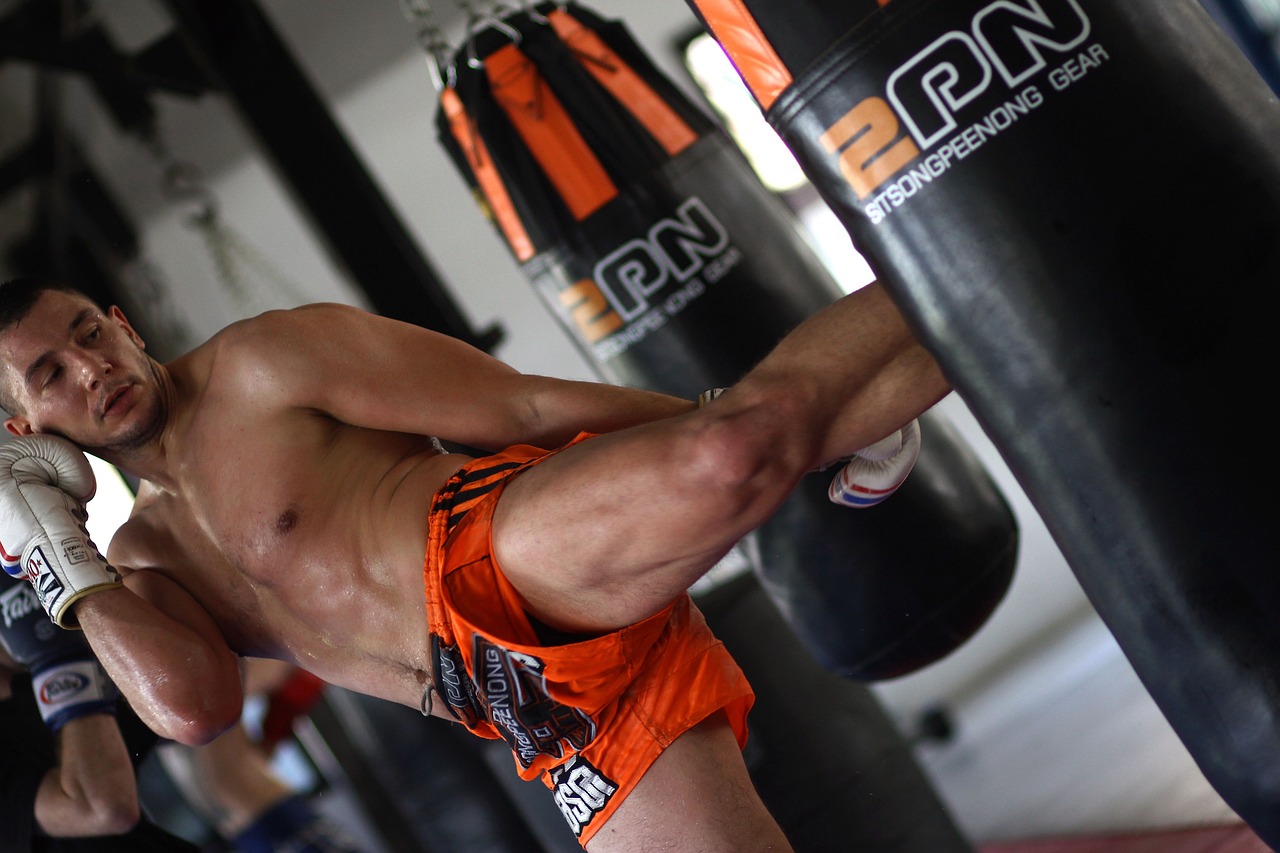
What Are the Benefits of Kickboxing?
Cardiovascular health
In a study done in 2014, According to Reliable Source, increasing the amount of time spent kickboxing to three times per week for one hour at a time led to an increase in maximum oxygen intake (VO2 max).
The maximum quantity of oxygen that your body can utilise while you are engaged in physical activity is referred to as your VO2 max. It is a measure of the level of cardiovascular endurance you possess. The greater it is, the more effectively your body takes in and uses oxygen as it increases in level.
Muscle strength and balance
The participants in the same study from 2014 experienced improved upper-body and lower-body muscle strength.
A preliminary investigation into the benefits of kickboxing on adults with multiple sclerosis (MS) found that engaging in kickboxing three days per week significantly improved the patients' levels of coordination and balance.
The findings of this study imply that participating in kickboxing may assist in improving both reactive and anticipatory balance, even though only 11 participants completed all of the testing and training. As a result, you may have a lower chance of falling as you age.
Weight loss
Regular physical activity should assist you in better managing your weight.
Kickboxing is a form of aerobic exercise that helps you burn calories and can contribute to your weight loss efforts. According to research from a trusted source, both professional and amateur kickboxers had higher rates of lean body mass and lower overall body fat percentages.
Just thirty minutes of kickboxing can cause a person who weighs 70 kilograms (155 pounds) to burn 372 calories.
Confidence and self-esteem
There is a correlation between regular exercise and higher levels of confidence and self-esteem. Therefore, developing one's self-assurance is a fundamental component of kickboxing, and most training facilities place considerable emphasis on this aspect of the sport.
According to a Reliable Source, participating in martial arts training might help young people feel more self-confident. In addition, there is a correlation between regular exercise and higher self-esteem levels.
Better sleep
People who suffer from sleep disorders can benefit from increased physical exercise because it enhances their sleep quality. A substantial amount of evidence shows that engaging in regular physical activity has a beneficial impact on the quality and quantity of sleep one experiences.
Your chance of developing ailments such as cancer and heart disease increases when you don't get enough sleep. A better night's sleep will not only boost your energy levels, but it will also improve your mood and ability to think clearly.
Improved mental health
It has been found that practising martial arts, such as kickboxing, and other forms of exercise can lead to increased mental health and happy moods.
Both aerobic and anaerobic exercise, like that included in kickboxing, have been shown to have a beneficial effect on mood. It accomplishes this by elevating levels of endorphins and causing changes in a brain region associated with improvements in stress, anxiety, and sadness.
Summary
Kickboxing is a form of high-intensity contact sport that is characterised by a variety of kicks and punches that are executed with exceptional skill. In addition, this activity strengthens your cardiovascular fitness, helps you relax and unwind, and enhances your balance and coordination. It alters the entire body's composition by reducing fat mass. It improves mental health and motor abilities, as well as the muscles' flexibility, endurance, and power.
In kickboxing, the rapid, whole-body motions crucial to the sport can sometimes result in injuries. Strains to the back, knees, hips, and shoulders are typical injuries sustained in kickboxing.
It is essential to keep in mind that kickboxing training at a tempo appropriate for beginners is both controlled and methodical. It reduces the likelihood of getting hurt and allows one to reach their greatest potential.
Even though it has a few negatives, kickboxing has many positive features, and it has been demonstrated to be beneficial to thousands of individuals worldwide. Despite these problems, kickboxing is still quite popular.
This particular activity is unique because it is one of the few sports that can provide a workout for the entire body with only one sport. As a result, it improves eye-body synchronisation and boosts reflexes throughout the body.
Kickboxing is not only performed as a sport but also as a way of self-defence, which students learn in classrooms all around the country. If it is not carried out in an environment where professionals are present, there is a possibility that it will cause the aggressor a significant amount of harm. The physical power necessary to blow shots is sufficient for an individual to escape a dangerous situation from which they seek protection.
Everyone has the potential to learn the sport and become an expert at it, provided that they receive the right medical advice and professional instruction. In general, anyone may learn and become an expert at the sport.
Frequenly Asked Questions
Is kickboxing good for losing weight?
Yes, kickboxing is an effective way to lose weight. It is a high-intensity, full-body workout that can burn significant calories in a relatively short amount of time. However, it's important to remember that weight loss also depends on a balanced diet and overall lifestyle.
Can kickboxing help to improve my mental health?
Kickboxing can be a powerful tool for improving mental health. Physical activity releases endorphins, which can boost mood and help combat stress and anxiety. Additionally, the discipline, focus, and confidence gained from learning and mastering the techniques can have a positive impact on mental well-being.
Can kickboxing be practised safely by beginners?
Absolutely. With the proper instruction and a gradual approach, beginners can safely practice kickboxing. It's important to find a knowledgeable instructor who can guide you through the correct techniques and monitor your progress to ensure safety. As with any new physical activity, it's advisable to consult with a healthcare provider before starting.
Can kickboxing improve my flexibility and coordination?
Absolutely. Kickboxing involves a lot of dynamic movements, including kicks and punches, that require a good deal of flexibility and coordination. Regular training can help improve these qualities over time. Kickboxing can also enhance balance and agility, which can be beneficial in other sports and physical activities.
How long does it take to see results from kickboxing?
The time it takes to see results from kickboxing can vary widely from person to person and depends on a variety of factors such as your initial fitness level, the intensity and frequency of your workouts, and your diet. Generally, with regular and consistent training, noticeable improvements in fitness can be seen in as little as a few weeks.